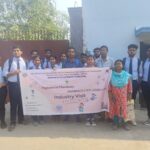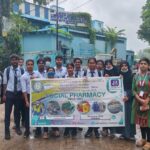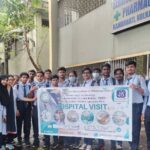
Social Pharmacy Field Visit at Bangur Sewage Treatment Plant
Introduction
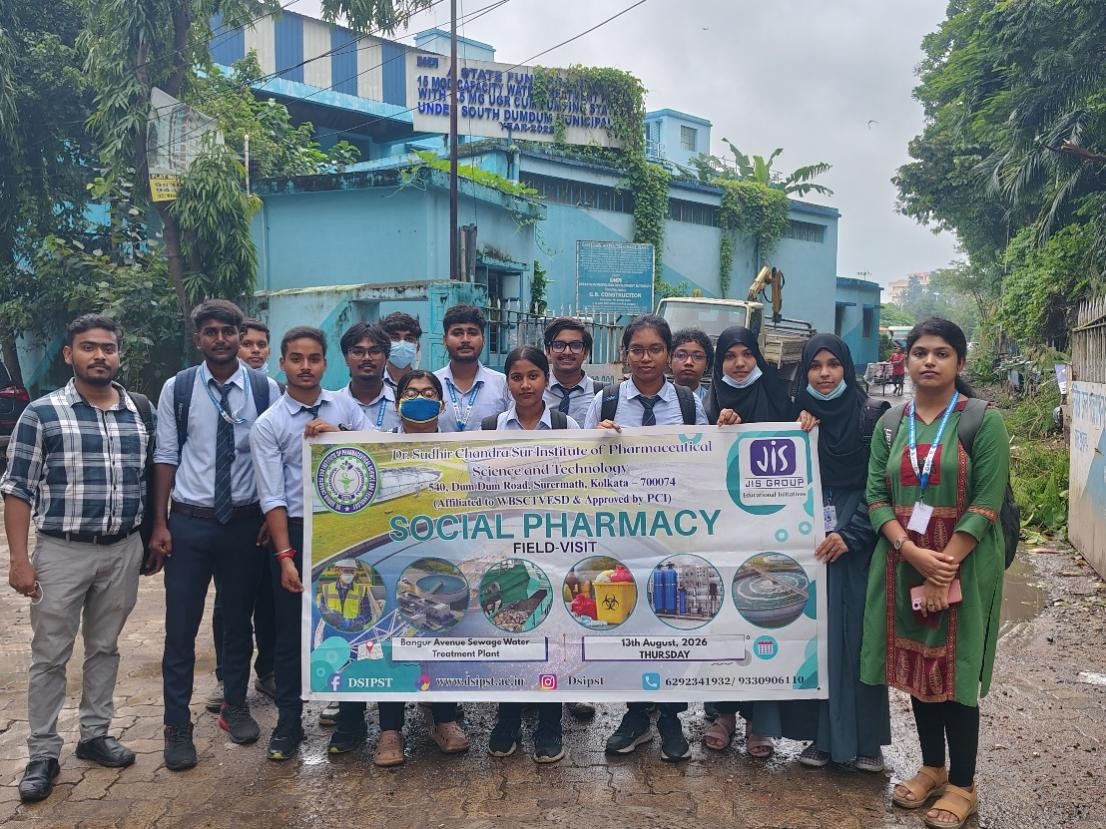
Dr. Sudhir Chandra Sur Institute of Pharmaceutical Science and Technology organised a Social Pharmacy Field Visit at Bangur Sewage Treatment Plant on 13th August 2026 (Thursday) for the D.Pharm Part I students. The objective of the visit was to provide students with practical knowledge regarding sewage collection, treatment, purification and safe disposal, and to help them understand the importance of sanitation and environmental health in public health. Ms. Sreya Das and Mr. Rupam Roy, Assistant Professor, DSIPST, accompanied the students and helped them understand the significance of sewage treatment from the perspective of Social Pharmacy.
Objectives of the Visit
The main objectives of the field visit were:
- To provide students with practical exposure to sewage treatment processes.
- To understand the different stages involved in sewage treatment.
- To learn about the importance of proper sewage disposal in preventing environmental pollution.
- To understand the relationship between sanitation, environmental hygiene and public health.
- To complement the theoretical concepts taught under the Social Pharmacy curriculum.
- Screening & Grit Removal: Large solids and grit are removed to protect machinery.
- Primary Sedimentation: Heavy particles settle down as sludge.
- Biological Treatment / Aeration: Microorganisms break down organic matter.
- Secondary Sedimentation: Further settling of biological sludge.
- Tertiary Treatment & Disinfection: Chlorination/UV is done before releasing treated water.
- Sewage collection and treatment.
- Primary and secondary treatment processes.
- Removal of solid and suspended impurities.
- Biological treatment of sewage.
- Safe management and disposal of treated wastewater.
- The role of sewage treatment in preventing water pollution.
- The importance of sanitation in disease prevention and public health.